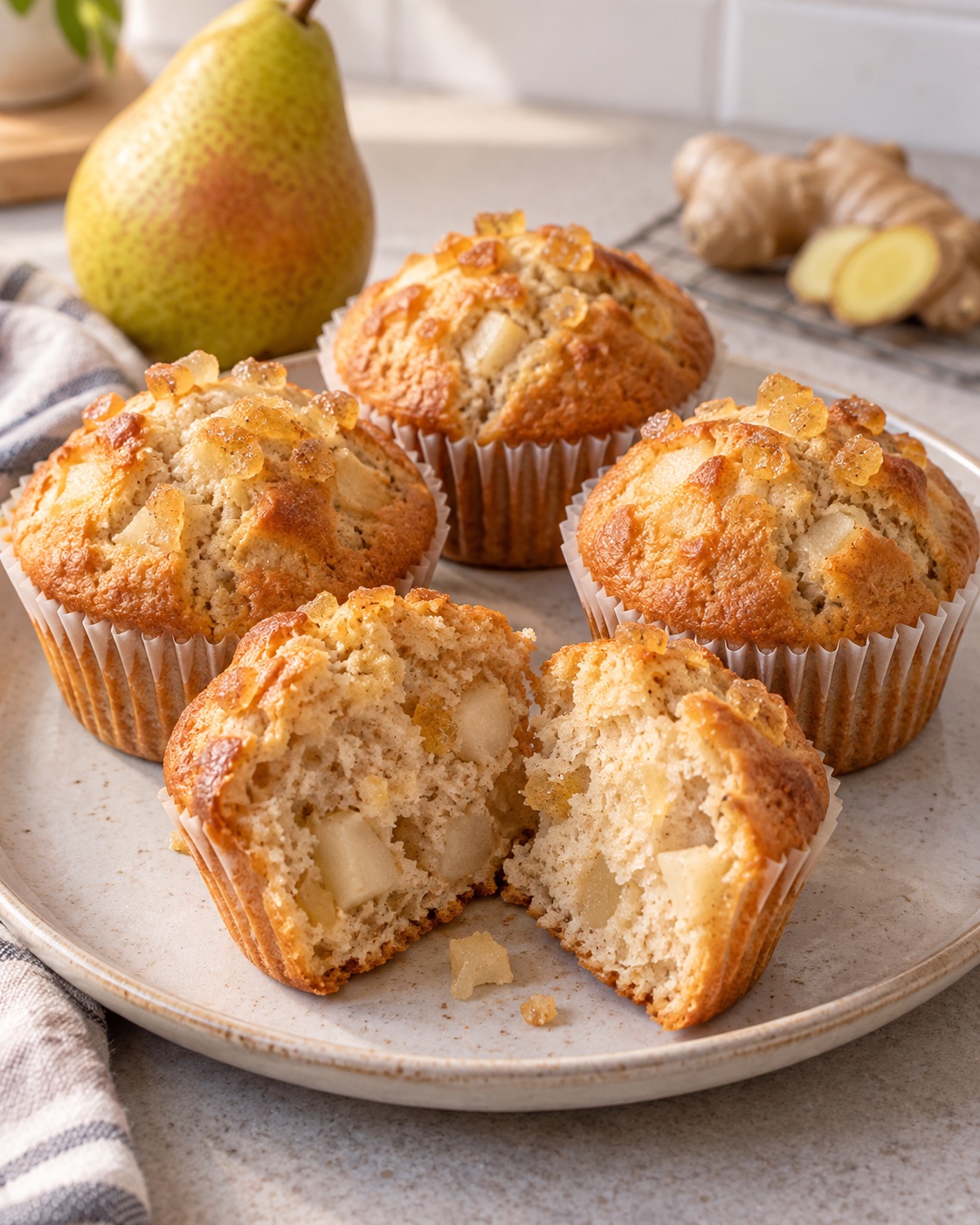
Pear and Ginger Muffins
Diced pear and three forms of ginger bring fruit and warm spice to a dozen muffins. Bake a batch for breakfast, then freeze some for another morning.

Breakfast · Vegetarian · Baking · Fall
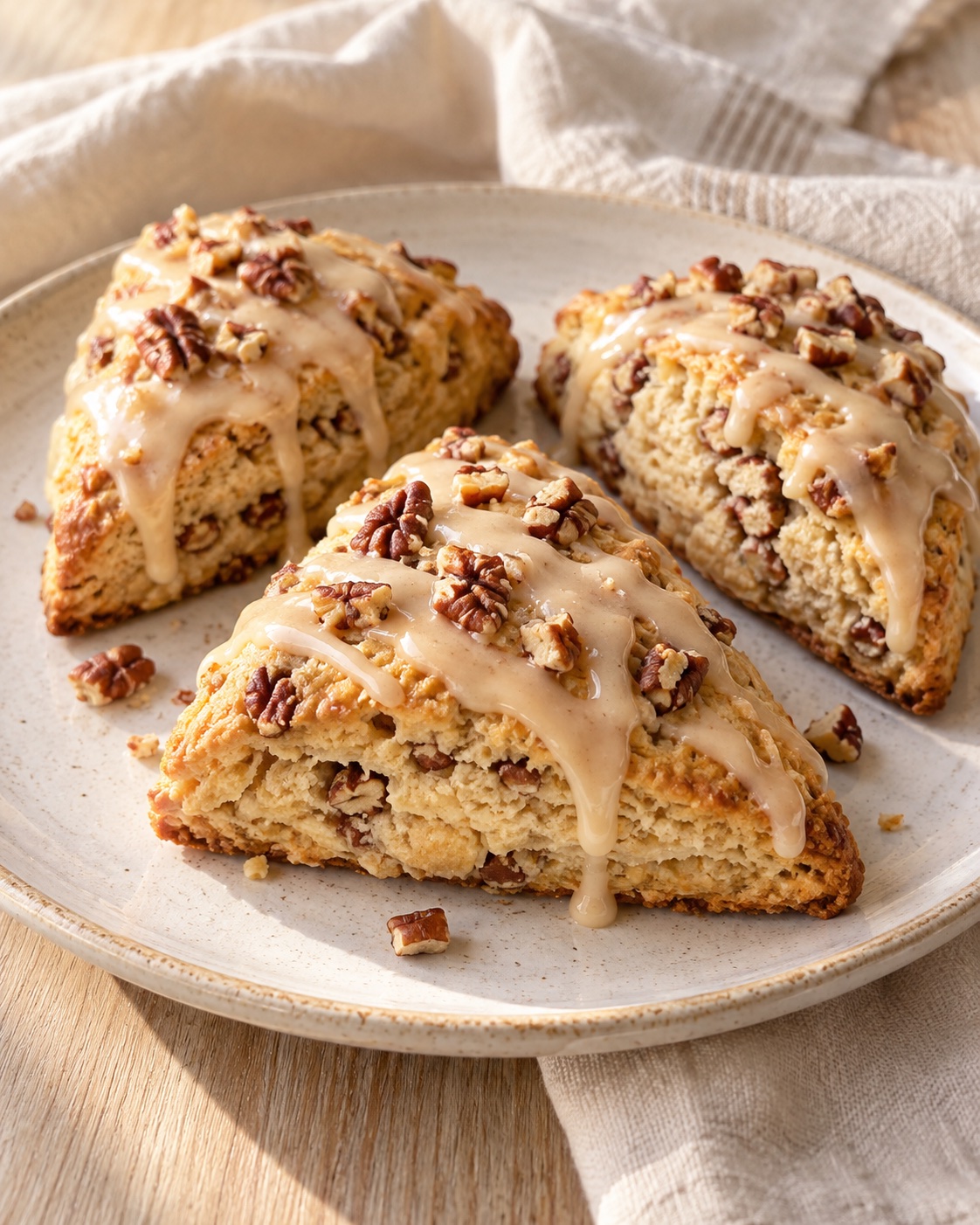
Maple syrup goes into both the dough and the glaze of these eight pecan scones. A chilled dough gives you time to clear the counter before the tray goes into the oven.
Allow about 2 hours: 25 minutes of preparation, 30 minutes of pecan toasting and scone baking, 30 minutes chilling, 20 minutes cooling and 15 minutes for the glaze to set. Oven and cooling times vary.
Durations are taken from the method and may overlap. Some preparation steps are not timed. Optional stages are separate from the main meal.
Cook without an account. Sign in only to save recipes to your kitchen.
Set your food preferences to see ingredient flags for this recipe.
YOUR NEEDS COME FIRST
Cooking with an intolerance? Choose ingredients to avoid before you explore.
Set the oven to 350°F (175°C). Toast the pecans on the small sheet for 6 to 8 minutes, stirring once. Let them cool. Reserve 15 g for finishing and use the remaining 100 g in the dough.
Line the large tray with parchment. Mix flour, brown sugar, baking powder, cinnamon and salt in a bowl. Cut in the cold butter, leaving visible small pieces rather than blending it smooth. Stir in the cooled dough pecans.
Whisk the 120 g cream, 60 g syrup, egg and vanilla separately. Fold into the flour mixture just until it holds together. If a handful will not bind when pressed, add 1 teaspoon from the extra cream at a time. Avoid kneading.
On a lightly floured counter, pat into a roughly 18 cm round about 2.5 cm thick. Cut eight wedges and place 5 cm apart on the tray. Refrigerate for 30 minutes. Meanwhile, heat the oven to 400°F (200°C).
Brush the tops with the remaining extra cream. Bake for 18 to 23 minutes until golden at the edges. Check one centre: it should have a set crumb with no wet dough. Cool on the tray for 5 minutes, then on the rack for at least 15 minutes.
Stir icing sugar, 20 g syrup, milk and the pinch of salt into a thick drizzle; add extra milk only a few drops at a time. Spoon over cooled scones and add the reserved pecans. Leave about 15 minutes for the glaze to set.
Cold butter pieces help form a lighter crumb as the scones bake. Stop mixing once the dough holds together; extra kneading makes a firmer result. Chill again briefly if the butter becomes soft while shaping.
Weigh the flour, dust the counter lightly and check the centre near the end of baking. A golden outside is useful, but the inside should be set rather than wet. More flour or a longer bake is not always the answer.
Freeze cooled, unglazed scones tightly wrapped for up to 2 months. Thaw in the refrigerator, then add fresh glaze. Keep the glaze separate if you plan to freeze some of the batch.
Because this glaze contains milk, refrigerate leftovers promptly in a covered container at 4°C (40°F) or colder and use within 2 days. Keep the time out of refrigeration under 2 hours. The crust softens during storage.
These scones contain wheat, dairy, egg and pecans. Check labels when cooking for an allergy. Do not taste unbaked dough: both raw flour and egg can carry harmful bacteria. Wash hands, bowls and work surfaces after preparation.
Use the recipe’s specific storage directions when provided. Read the food storage guide for chilling and reheating food, and the measures guide before changing portions or ingredients.
YOUR KITCHEN JOURNAL
Notes and cooking history sync with your household.
These are household reports and estimates, not verified public reviews or current store prices.
Adapted from Audrey Grubb at Kneaded That, with a smaller glaze, no added maple extract or coarse sugar, and a full allowance for chilling and cooling.
Adapted from Audrey Grubb at Kneaded That: Maple Pecan Scones.Additional guidance: King Arthur Baking: scone technique and doneness · FDA: handling raw flour safely · Health Canada: cooling and storing leftovers
Diced pear and three forms of ginger bring fruit and warm spice to a dozen muffins. Bake a batch for breakfast, then freeze some for another morning.
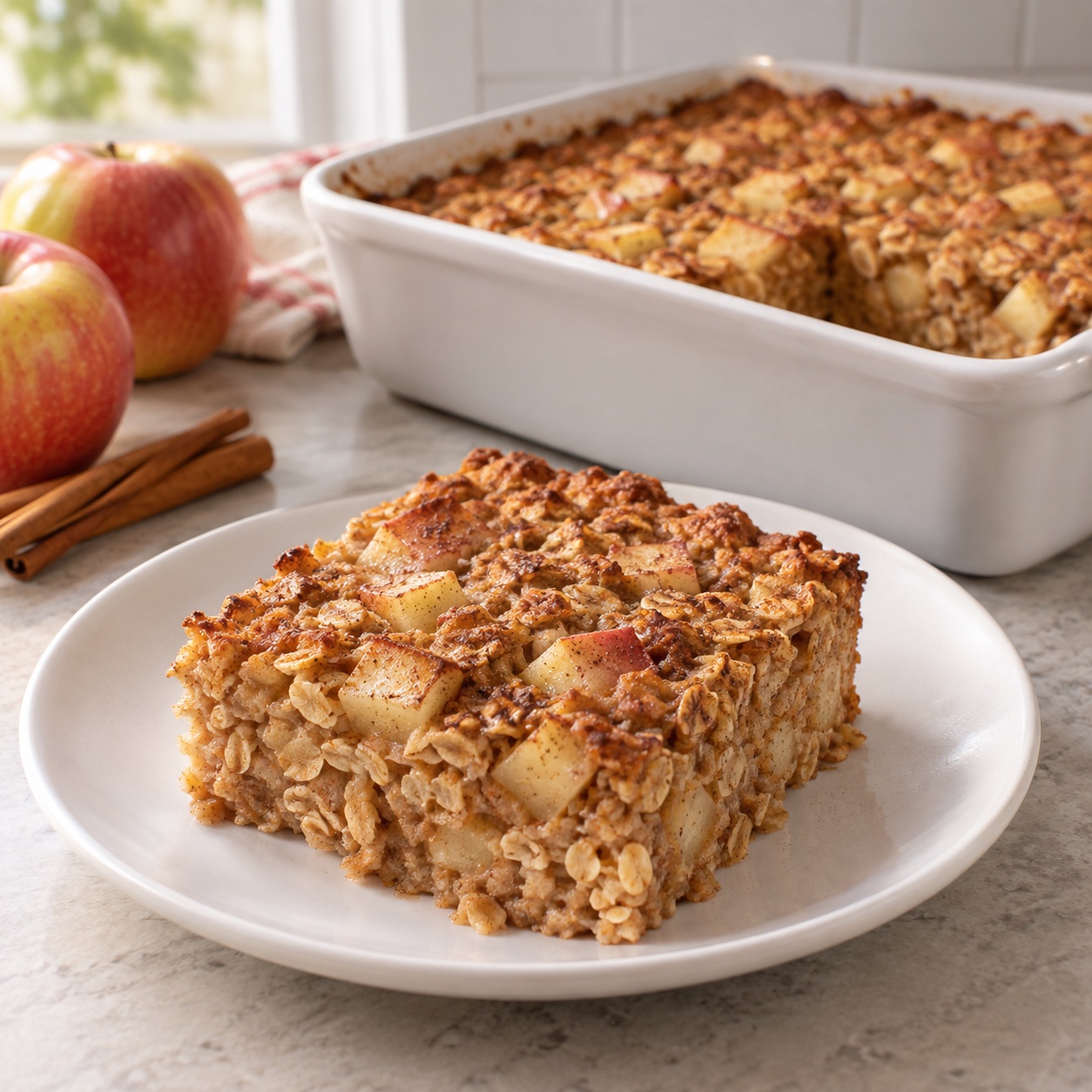
Soft baked oats with diced apple, cinnamon and maple syrup. Cut the pan into six breakfast portions and refrigerate the extras for another morning.
Pumpkin, cinnamon and vanilla make a warmly spiced stack for a slow autumn breakfast. Cook a batch for four and serve with maple syrup.
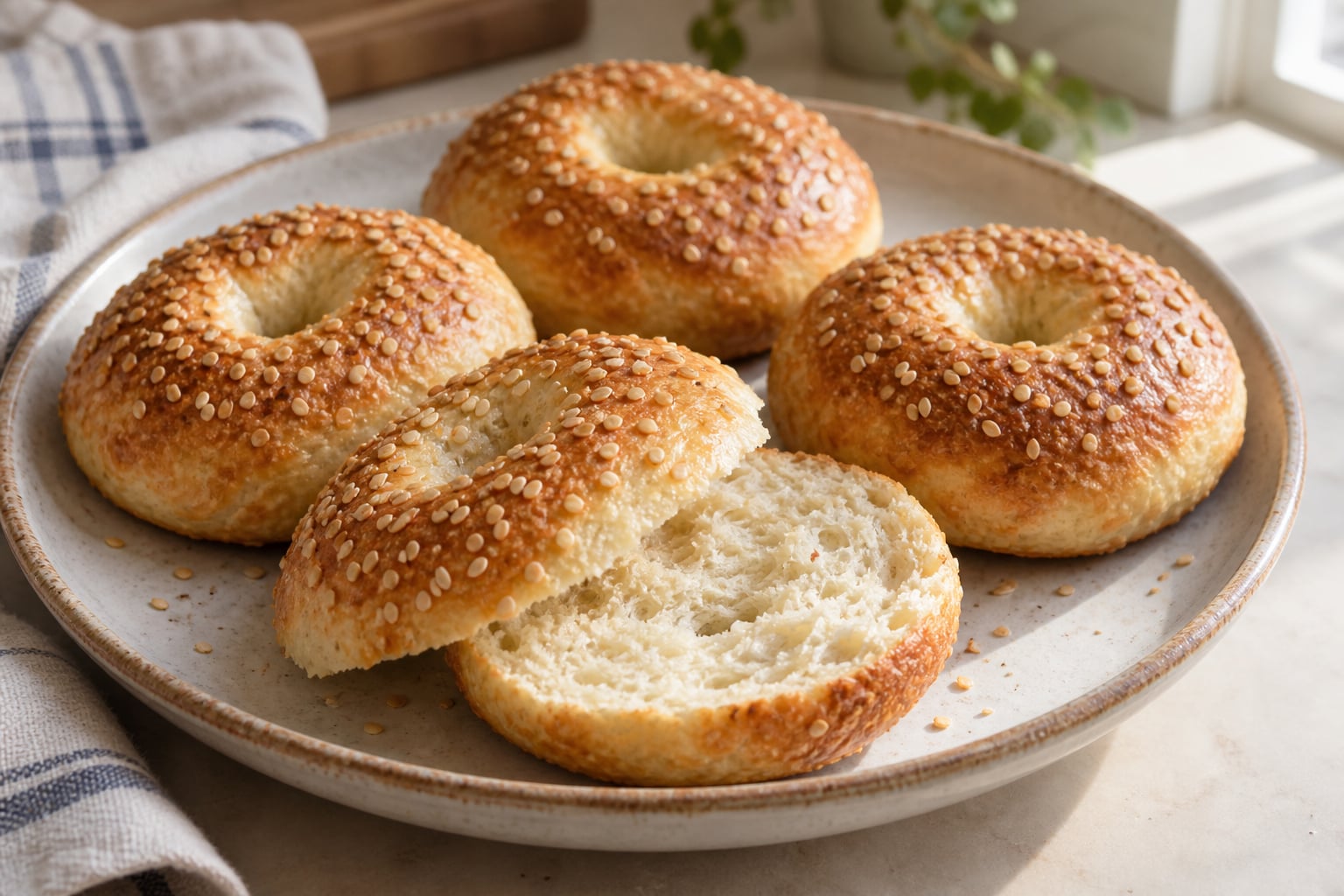
Four small, soft bagels made with cottage cheese and baking powder. No yeast or boiling, just mix, shape and bake.